
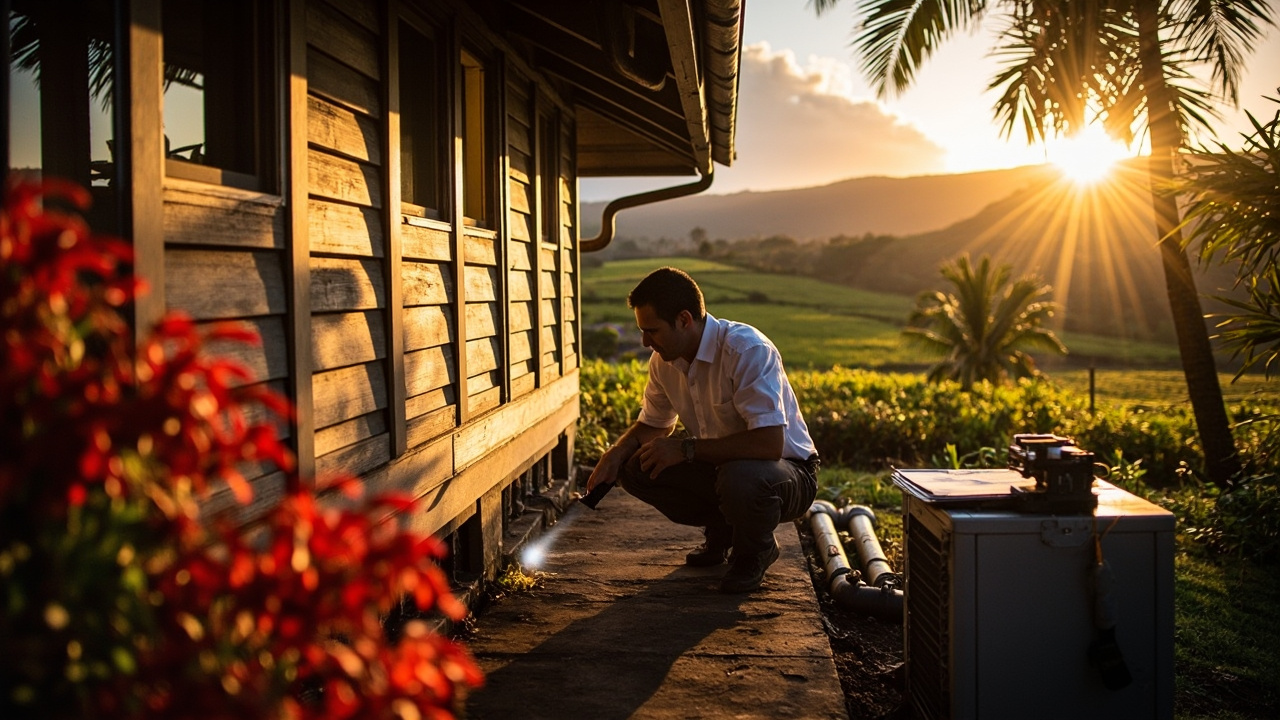
Why You Need a Home Inspection Before Buying on Big Island
Thinking about buying a home on the Big Island of Hawaii? You’re not alone! With its lush landscapes, stunning ocean views, and relaxed island lifestyle, it’s easy to see why so many people dream of owning property here. But before you sign on the dotted line, there’s one important step that you absolutely shouldn’t skip: the home inspection.
If you’re investing in Big Island real estate, a home inspection is more than just a routine checklist—it’s your safety net. Still wondering if it’s really necessary? Let’s talk about why a home inspection can save you money, stress, and heartache in the long run.
What Is a Home Inspection, Exactly?
A home inspection is a thorough examination of a property’s condition by a licensed professional. Think of it as a health check-up for the house. The inspector looks at key components like the foundation, roof, plumbing, electrical systems, and even signs of termite damage—something especially important in tropical climates like Hawaii.
It’s not about pointing fingers or finding reasons to walk away. It’s about making sure you understand what you’re getting into, and being prepared for both the good and the not-so-good.
Why a Home Inspection Is Critical on the Big Island
Every home has its quirks, but homes on the Big Island face unique environmental challenges. Here are a few reasons why a Big Island home inspection is so important:
- Volcanic Soil and Seismic Activity: Homes here are built on varying types of volcanic soil, and yes, earthquakes are a thing. Inspections can reveal if a home has shifted or settled improperly over time.
- Termites and Tropical Pests: The warm, humid climate is paradise for both people and pests. Without proper protection, homes can be vulnerable to termites and wood rot.
- Salt Air Corrosion: If you’re buying near the coast (and who doesn’t want a view?), salt air can be rough on metal fixtures, plumbing, or wiring. A good inspector will check for rust and corrosion that you might miss.
What Does a Home Inspection Cover?
Here’s a breakdown of what a typical home inspector will look at:
- Roof Condition: Any leaks? Missing shingles? Signs of past repairs?
- Foundation and Structure: Cracks, shifting, or water damage in the base of the home.
- Plumbing: Functioning water systems, drainage quality, and signs of leaks or mold.
- Electrical Systems: Checking age and safety of the wiring, outlets, switches, and panel.
- HVAC Systems: Even in paradise, climate control matters. The inspector checks heating, ventilation, and air conditioning systems.
- Pests and Mold: Perfectly normal in tropical areas—unless they’re taking over your home.
Some inspectors also offer specialized inspections like septic system checks or energy efficiency audits. Don’t hesitate to ask what’s included ahead of time.
How Much Does a Big Island Home Inspection Cost?
Pricing depends on size, location, and the age of the home, but you can generally expect to pay between $400 and $600. Not exactly pocket change, but when you consider the potential repairs a missed issue might cost you later—think thousands of dollars or more—it’s a smart investment.
Can a Home Inspection Help You Negotiate?
Absolutely. In fact, many buyers use their inspection report as leverage during the negotiation stage. If the report shows that repairs are needed, you can:
- Request the seller fix the issues before closing
- Ask for a credit toward repairs
- Renegotiate the home price
Or, in some rare cases, if the problems are too severe, you have the opportunity to walk away from the deal altogether—with your deposit intact.
Choosing a Qualified Home Inspector on the Big Island
Not all inspectors are created equal. You’ll want someone with local experience and a good eye for Hawaii-specific issues. Look for these things when choosing your inspector:
- Hawaii State License: Make sure they’re certified and up-to-date on building codes.
- References or Reviews: Word of mouth matters in a place like Hawaii. Ask your real estate agent for recommendations or check online reviews.
- Sample Reports: Ask to see a past report to understand how thorough they are and how clearly they present their findings.
They should also be happy to walk you through the results, answer your questions, and give real-world examples of what any necessary repairs might involve. The best inspectors are teachers at heart.
A Personal Story: How One Buyer Was Saved By an Inspection
Take Sarah and Mark—first-time homebuyers who fell in love with a cozy house near Kona. Everything looked perfect until their inspector pointed out termite damage under the deck and a small but active roof leak. The seller agreed to take care of the repairs before closing, saving them over $8,000 in potential expenses. Without the inspection, Sarah says, “We would’ve been in over our heads financially before we even moved in.”
Is a Home Inspection Ever Skippable?
I get it—sometimes buyers are tempted to skip the inspection, especially in competitive markets. But remember: you’re not just buying a home; you’re investing in your peace of mind.
Even if the seller offers you the property “as-is,” there’s no law that says you can’t hire an inspector just to know what you might be dealing with. Knowledge is power—and planning ahead could prevent a world of stress later.
Final Thoughts
Buying a home on the Big Island is a dream come true for many—but don’t let that dream become a nightmare by skipping the home inspection. It’s a small up-front cost for potentially huge long-term savings. From termites to volcanic terrain to salty air, Hawaii’s homes come with unique challenges. A professional inspector will help you uncover potential problems and guide you into the best possible decision for your future island lifestyle.
So, before you fall head over heels for that oceanfront cottage or rainforest retreat, schedule your home inspection. You’ll thank yourself later.
Looking for More Big Island Real Estate Tips?
Email me at maly@discoverthebigisland.com