Essential Guide to Catchment Systems for Property Buyers in Hawaii
Are you thinking about buying a home in Hawaii’s rural areas? If so, there’s something important you need to know—many homes don’t have access to public water systems. Instead, they rely on something called a catchment system to collect and store rainwater.
Sound unfamiliar? Don’t worry. In this post, we’ll break it all down for you in plain, everyday language so you can confidently understand what catchment water systems are, how they work, and what you should know before buying a home that uses one.
What Is a Catchment System?
Catchment systems, sometimes called rainwater catchment systems, are a way of collecting and storing rainwater for household use when public water isn’t available. They’re pretty common in certain parts of Hawaii, especially on the Big Island, where water infrastructure doesn’t always reach remote or off-grid areas.
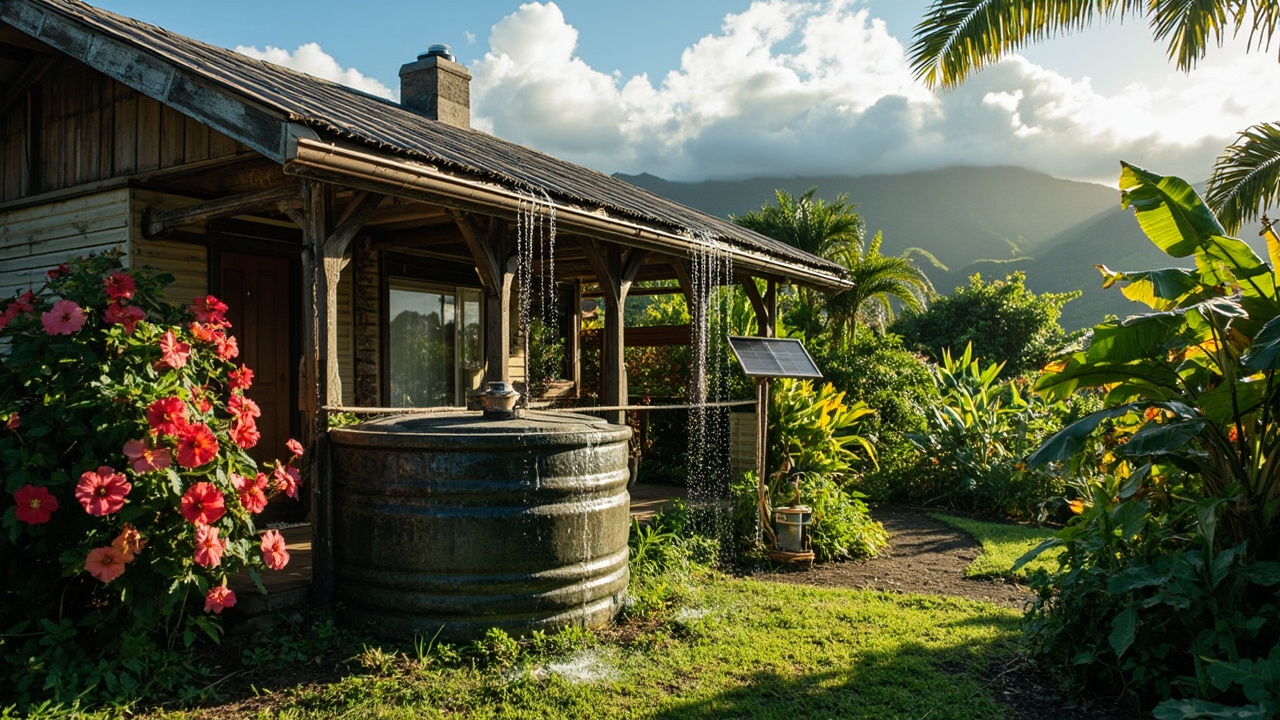
Think of it like this—if your roof is a giant funnel, a catchment system captures all that rain landing on it and stores it so you can use it later. Kind of like nature’s version of a water savings account!
Basic Parts of a Catchment System
A catchment system usually includes the following components:
- Roof and gutters: These collect rainwater when it falls.
- First flush diverter: The first rain of the season can bring dirt, ash, or debris. This device lets that dirty water flow out before it enters the tank.
- Storage tank (or catchment tank): This is where the clean rainwater is stored.
- Pump system: Moves water from the tank into your house.
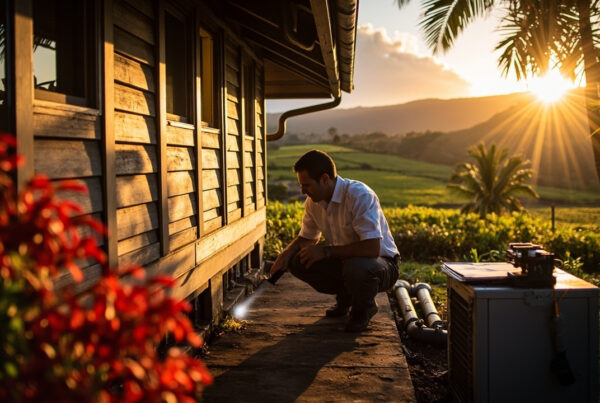
- Filtration and purification system: Makes the water safe for household use, including drinking, cooking, and bathing.
Why Are Catchment Systems Common in Hawaii?
Hawaii is made up of islands, and while there is municipal water in cities and some neighborhoods, many rural and off-grid properties don’t have that option. Instead of digging expensive wells or stretching out long water lines, many homeowners collect Hawaii’s plentiful rainfall using catchment systems.
Plus, Hawaii gets a lot of rain—especially in areas like Hilo or Puna—so a functioning catchment system is often more than enough to meet household needs.
Pros of a Catchment System
- Free water: Once your system is set up, you’re literally getting free water from the sky. That’s a great bonus, especially when utility costs can run high on the islands.
- Eco-friendly: Harvesting rainwater is a sustainable way to live. It reduces your dependence on the grid and helps conserve limited freshwater resources.
- No water bills: Since you’re not using city water, you won’t get a monthly bill.
Challenges and Things to Consider
Of course, catchment systems aren’t all rainbows and fresh water. There are certain challenges you’ll want to be aware of before purchasing a home that relies on catchment.
1. Water Quality
This is probably the biggest concern. While rainwater starts out relatively clean, it can pick up contaminants from your roof, gutters, or even birds. That’s why a high-quality filtration and purification system is essential.
You may even want to send your water for lab testing once or twice a year, just to be sure.
2. Maintenance
Unlike turning on a faucet in the city, a catchment system needs regular attention. This includes:
- Cleaning the tank and gutters regularly
- Replacing filters and checking UV or other purification systems
- Inspecting the pump and first flush device
If you’re not into doing regular checks or maintenance, catchment might not be for you—or you might want to budget for hiring someone to help.
3. Water Supply Limitations
Ever wonder what happens if it stops raining for a while?
While this isn’t usually a problem in Hawaii’s wetter regions, dry spells can happen. That means it’s wise to monitor your tank level, especially during drought or dry seasons. Some residents arrange for water delivery in emergencies—but that can get pricey.
4. Insurance & Lending
Buying a home with a catchment system can affect your financing and insurance options. Not all lenders are familiar or comfortable with off-grid water systems.
Here’s a tip: Work with local real estate agents and lenders who understand the ins and outs of catchment systems. They can guide you through the process and ensure a smoother closing.
Helpful Tips for Catchment Home Buyers
So, you’re still thinking about buying a home with a catchment system? Great! Here’s what to keep in mind:
- Ask for maintenance records: See how well the system has been cared for by current or past owners.
- Test the water: Ask for a recent water quality report. If none is available, consider doing your own test before buying.
- Inspect the system: Roof, gutters, first flush, tank, filters, pump—make sure everything is in working order.
- Understand your rainfall zone: Some parts of Hawaii get a lot of rain, while others are drier. Know what climate zone you’re in and if it can reliably supply your home with enough water.
Personal Insight: Living with Catchment
I once visited a friend who lived in a beautiful home tucked away in the lush forests of Puna, Hawai’i. I remember being amazed when he showed me his catchment tank—it looked like a small swimming pool right next to the house.
“It’s not just water,” he told me. “It’s life.”
That stuck with me. And really, if you’re buying a property in rural Hawaii, understanding and respecting your water system is part of living there. These systems aren’t just plumbing—they’re part of the island lifestyle, and many people have used them happily for decades.
Final Thoughts
If you’re considering buying property in Hawaii, especially on the Big Island, knowing about catchment systems is essential. They’re not complicated once you understand them, but they do require a bit more involvement than simply turning on the tap.
However, with a little know-how and regular maintenance, a rainwater catchment system can be a smart, sustainable, and cost-effective way to make island life more self-reliant and eco-friendly.
Still have questions? Reach out to a local real estate expert or homeowner familiar with catchment—you’d be surprised how many are willing to share tips and stories.
Ready to Find Your Off-Grid Oasis?
Finding a home with a catchment system might seem a little intimidating at first, but it could also lead to a lifestyle that’s more sustainable, independent, and connected to nature.
So go ahead—catch that rain and make it part of your island dream!
Let us know in the comments if you’re considering a catchment home or already live in one. We’d love to hear your story!
—
Keywords: Hawaii rainwater catchment, catchment system Hawaii, buying property Hawaii, Big Island off-grid homes, rainwater collection Hawaii, Hawaii real estate water catchment systems